Italian Cappuccino & Tiramisù Class in Florence to start your day the sweet Italian way
Join a hands-on Italian coffee and tiramisù class in Florence. Learn the secrets of moka coffee, cappuccino foam, and Italy’s most iconic dessert from a local chef. Taste, create, and enjoy a perfect Italian morning experience.
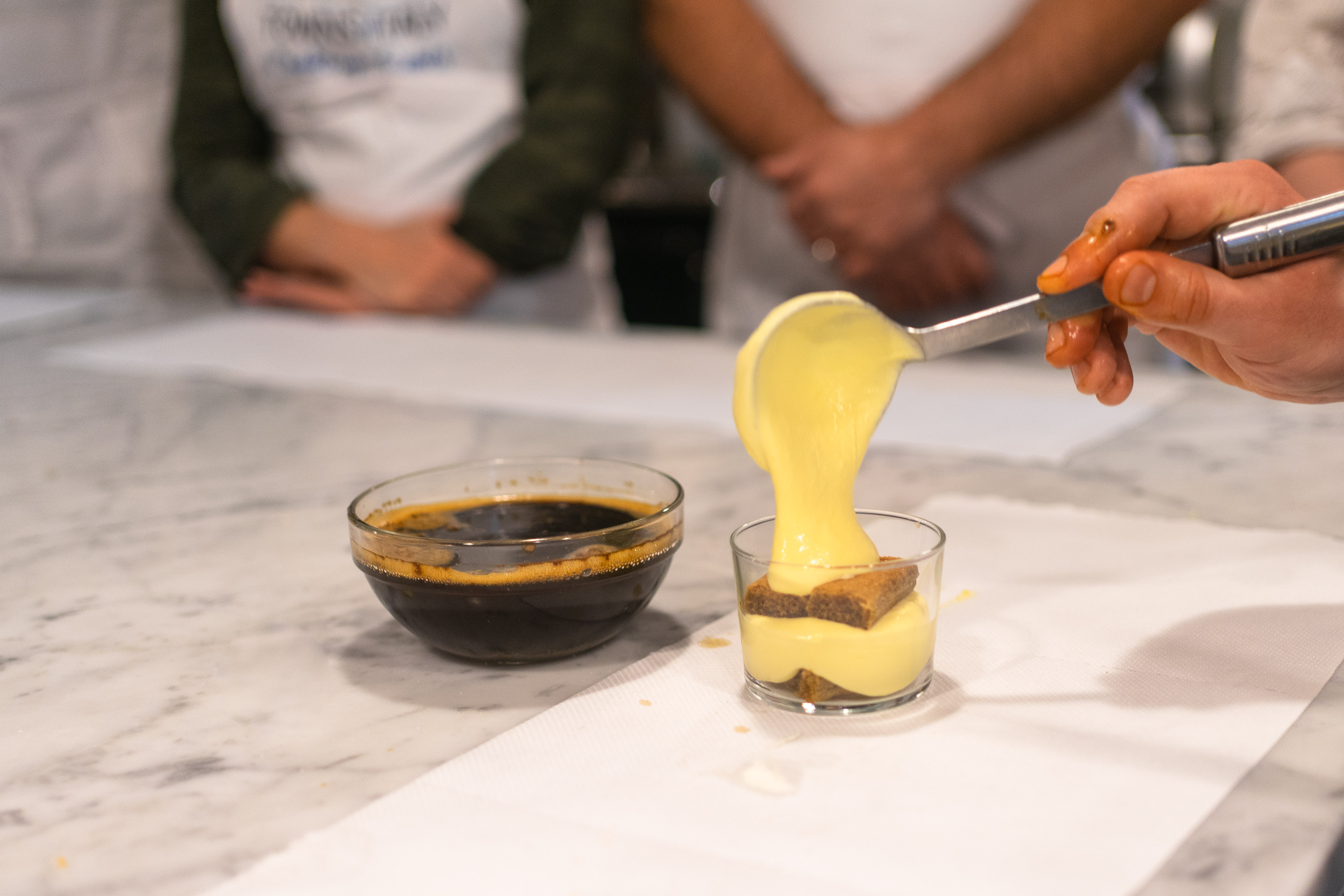
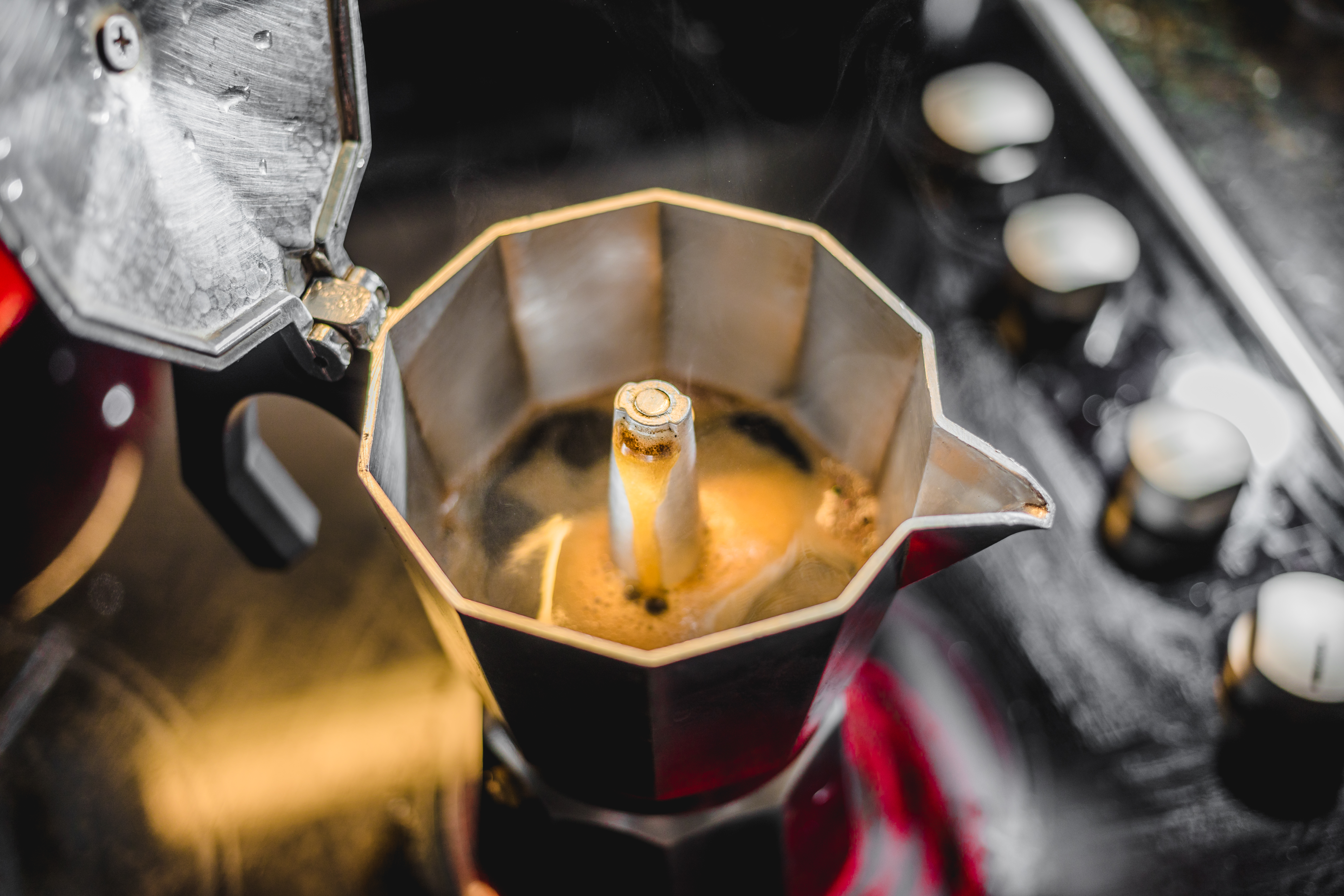
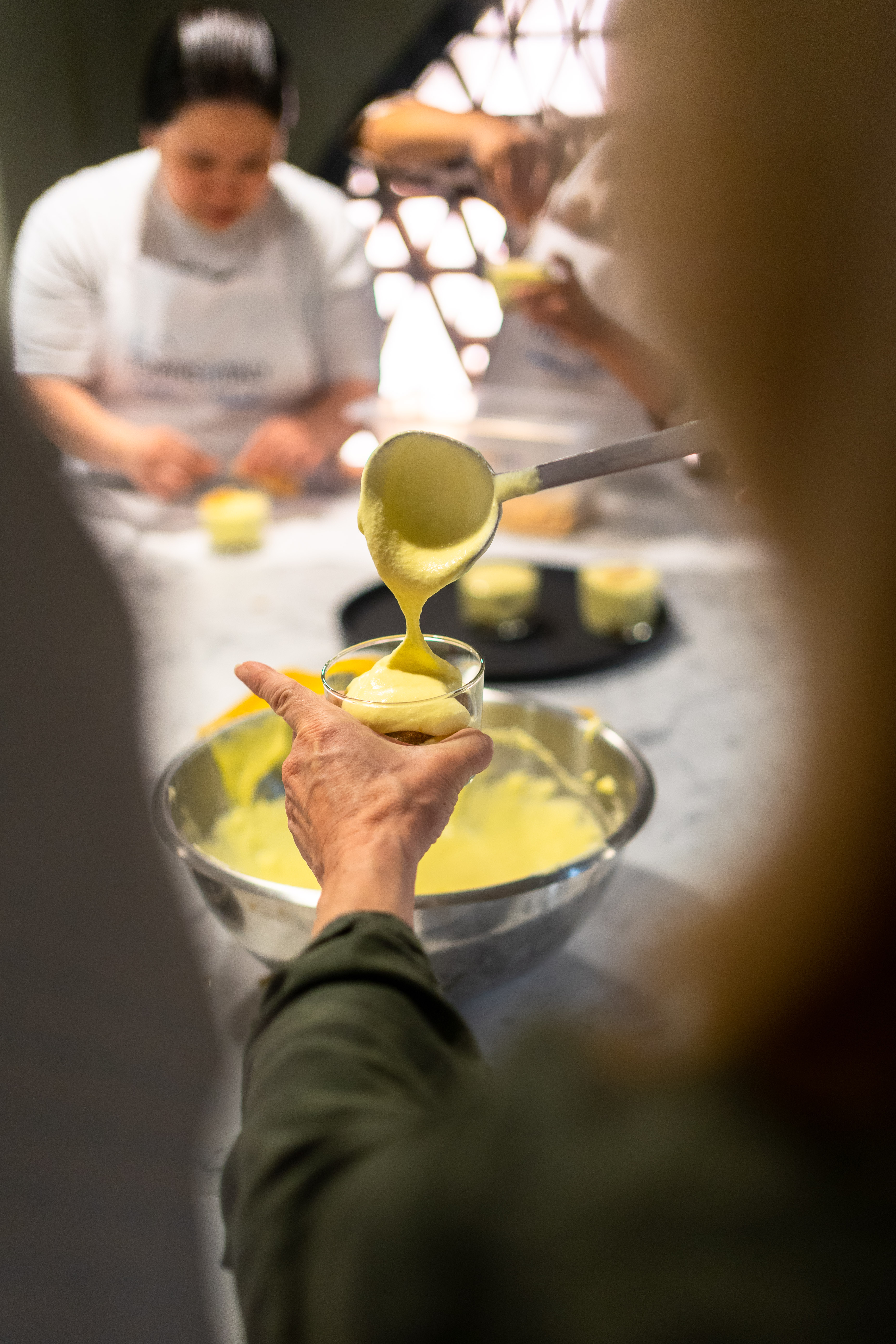
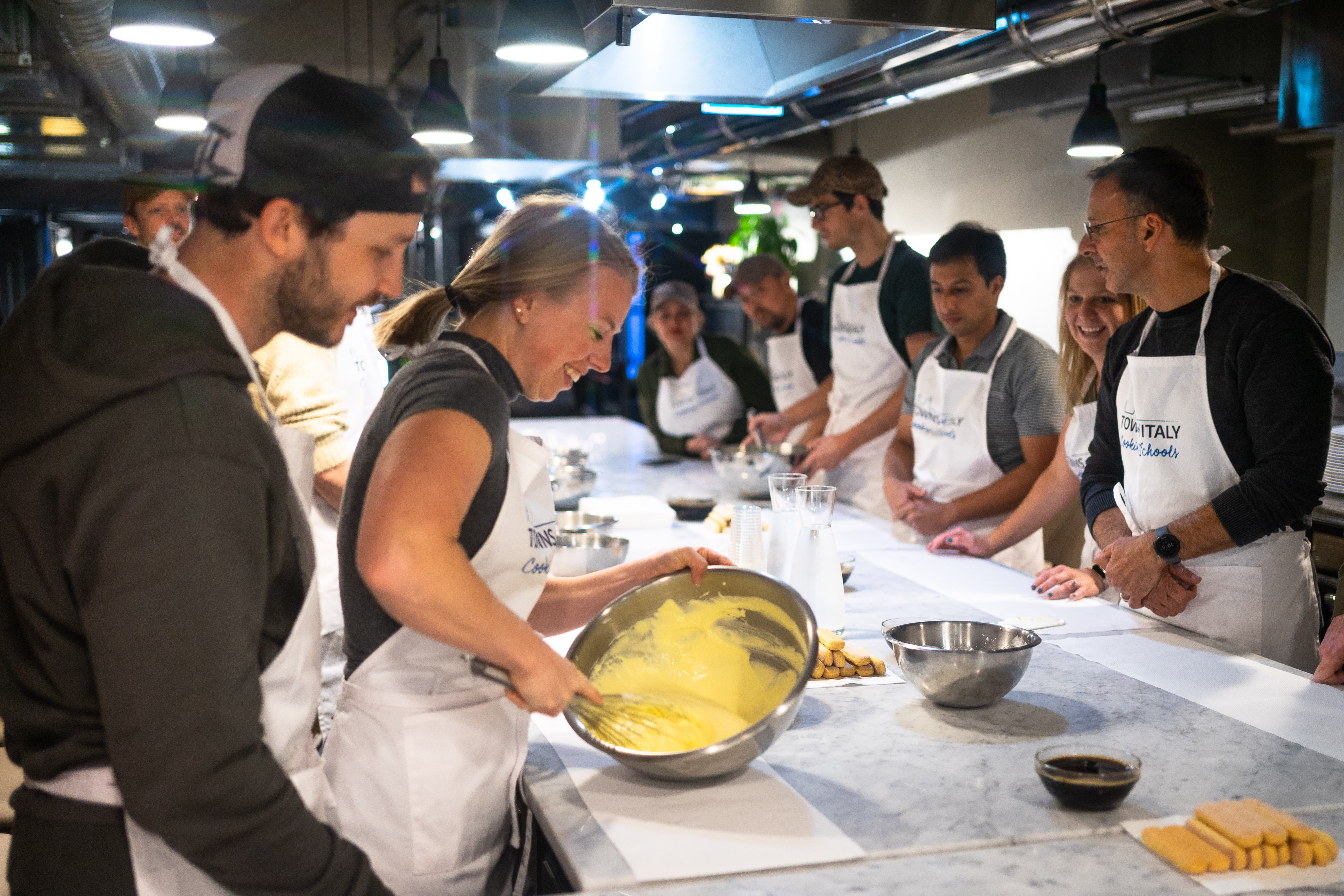
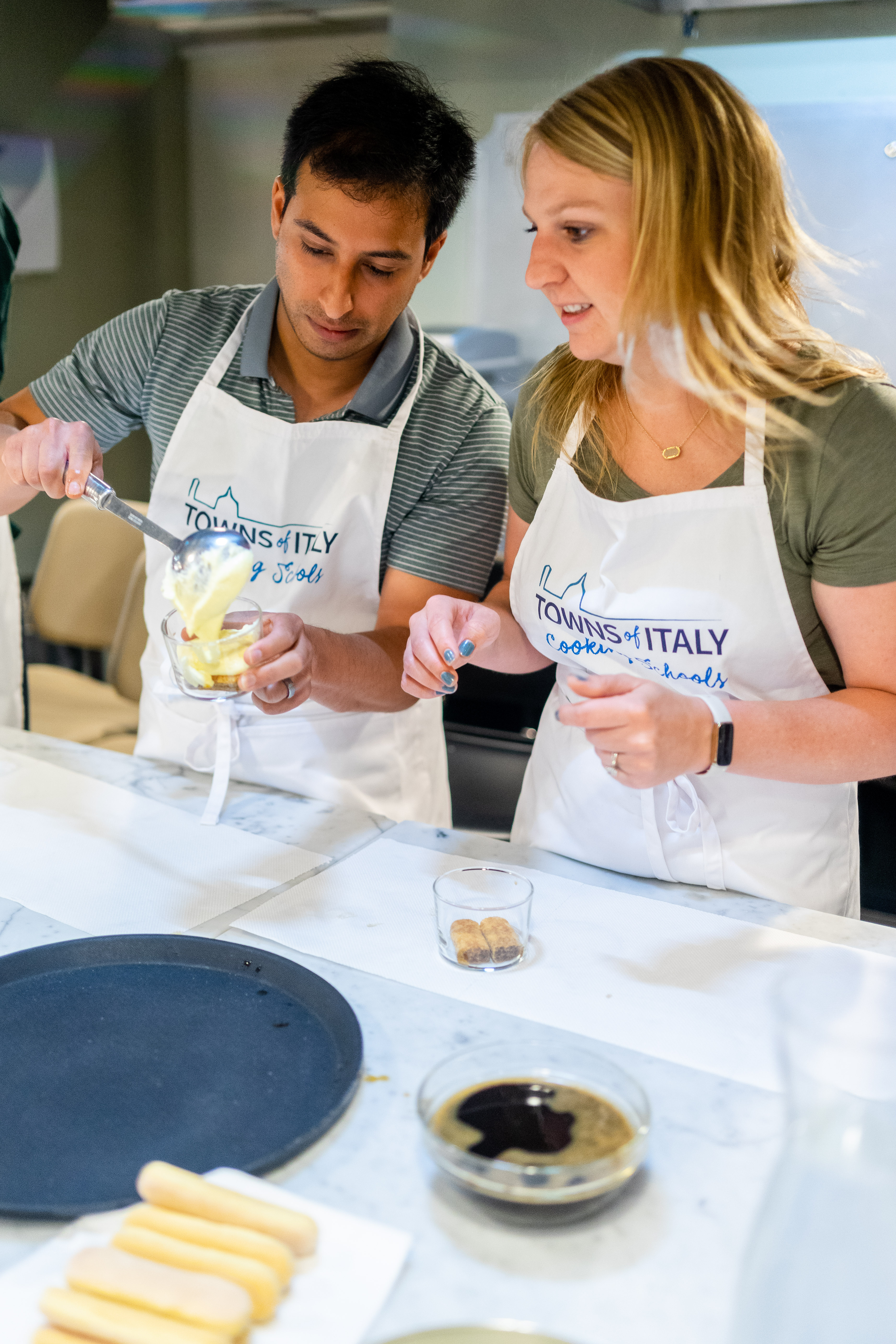
- Discover how to make authentic Italian coffee with the traditional moka pot
- Learn to froth milk like a barista and craft a perfect cappuccino
- Prepare homemade tiramisù from scratch, step by step
- Bake and taste a mini Italian pastry for a sweet touch
- Enjoy your creations in a cozy, social atmosphere with your local chef
Meeting Point
The meeting point is at our Cooking School in the heart of Florence:
Towns of Italy - Tourist Hub & Cooking School - Florence
Via Panicale, 43/R - 50123 Florence
If your tour is scheduled to take place on or after March 1, 2027, the new meeting point is:
Towns of Italy - Tourist Hub & Cooking School - Florence
Largo Pietro Annigoni, 9A - 50122 Florence
Want to share this experience just with your partner or your family?
Discover our Private Tour proposals.
Private upgrade
How do you make authentic Italian tiramisù?
The authentic Italian tiramisù recipe is simpler than most people think, the secret lies in the quality of the ingredients and the technique. You need: mascarpone cheese (full-fat, Italian), egg yolks, sugar, strong Italian espresso (cooled), savoiardi ladyfinger biscuits, and traditionally a splash of marsala wine or rum. Beat the egg yolks with sugar until pale and creamy, fold in the mascarpone gently to avoid breaking the mixture, dip each savoiardo briefly (not too long, they must be moist but not soggy) in the cooled espresso, layer with the cream, and finish with a generous dusting of unsweetened cocoa. The result should be cold, creamy, and intensely coffee-flavored, nothing like the versions made outside Italy with whipped cream or cream cheese. In the Florencetown Cappuccino and Tiramisù class, a professional Florentine pastry chef walks you through every step and you get to eat what you make.
What does tiramisù mean in Italian?
Tiramisù literally translates from Italian as 'pick me up' or 'lift me up' from the words 'tira' (pull/lift), 'mi' (me), and 'sù' (up). The name is a reference to the energizing combination of espresso and sugar in the dessert, which was believed to provide a genuine boost of energy. The origins of tiramisù are hotly debated in Italy: the most widely accepted version credits the recipe to Le Beccherie restaurant in Treviso (Veneto), created in the 1960s or early 1970s. However, several other regions, including Friuli Venezia Giulia, claim their own version of the story. What is certain is that tiramisù is 100% Italian, deeply connected to Italian coffee culture, and one of the most replicated desserts in the world. The Florencetown class teaches you the real Florentine interpretation.
Is this class suitable for children and families visiting Florence?
Yes, the Italian Cappuccino and Tiramisù Class is a wonderful family activity in Florence. Children generally love the hands-on nature of making (and eating) tiramisù, and the class is typically suitable for children aged 8 and up. The short 1.5-hour format also works well for families with limited attention spans or busy sightseeing schedules. It's a creative, delicious, and culturally rich alternative to standard Florence Italy tours for families looking for something interactive and memorable.
Why do Italians only drink cappuccino in the morning?
In Italy, cappuccino is strictly a breakfast drink, and ordering one after 11am (or, worse, after a meal) marks you immediately as a tourist. The reason is cultural and gastronomic: Italians believe that the high milk content of a cappuccino interferes with digestion after a meal, and that a properly made espresso is the only appropriate post-lunch or post-dinner coffee. Italian coffee culture centers on the bar ritual: you stand at the counter, drink your espresso or morning cappuccino in two or three sips, and leave. Sitting down costs more. The Florencetown Italian Cappuccino and Tiramisù class not only teaches you how to make a proper Italian cappuccino, but explains the whole culture behind it- the rules, the rituals, and the reasons why Italian coffee tastes better than anywhere else in the world.
What is the difference between Italian espresso and cappuccino?
Espresso and cappuccino are both made from the same base: a short, intense shot of coffee extracted under high pressure using finely ground, roasted coffee beans. The difference is in the milk. A cappuccino is made by combining one shot of espresso with steamed milk and a thick, creamy foam in roughly equal thirds, resulting in a lighter, more voluminous drink. Espresso is drunk straight: small, dark, strong, and intensely flavored, typically in one or two sips. Italians drink espresso at all hours, but cappuccino only in the morning. The quality of Italian espresso comes from the specific blend of beans, the precise grind, the calibrated pressure, and the skill of the barista — factors that the Florencetown class explores in depth, alongside the hands-on preparation of both drinks.
CANCELLATION POLICY 24 HOURS
Cancellations are free up to 24 hours before the tour departure. For cancellations made within 24 hours of the tour start time, as well as in case of no-shows, the full amount will be charged.


Starting from
price per person