Private Lasagna & Tiramisù Cooking Class in Florence and Market tour
Experience the true essence of Florence with a journey that begins at the bustling food market and continues in our private cooking class. Your dedicated chef will guide you step by step as you prepare classic Italian favorites: rolling fresh pasta for lasagna, layering it with rich ragù and creamy béchamel, and assembling the perfect tiramisù with espresso-soaked ladyfingers and velvety mascarpone cream.
This fully private cooking experience lets you immerse yourself in authentic Italian traditions. Roll up your sleeves, taste as you go, and discover the stories behind each dish, turning your lasagna and tiramisù into a celebration of Florence’s culinary heritage — recently recognized by UNESCO as Intangible Cultural Heritage.
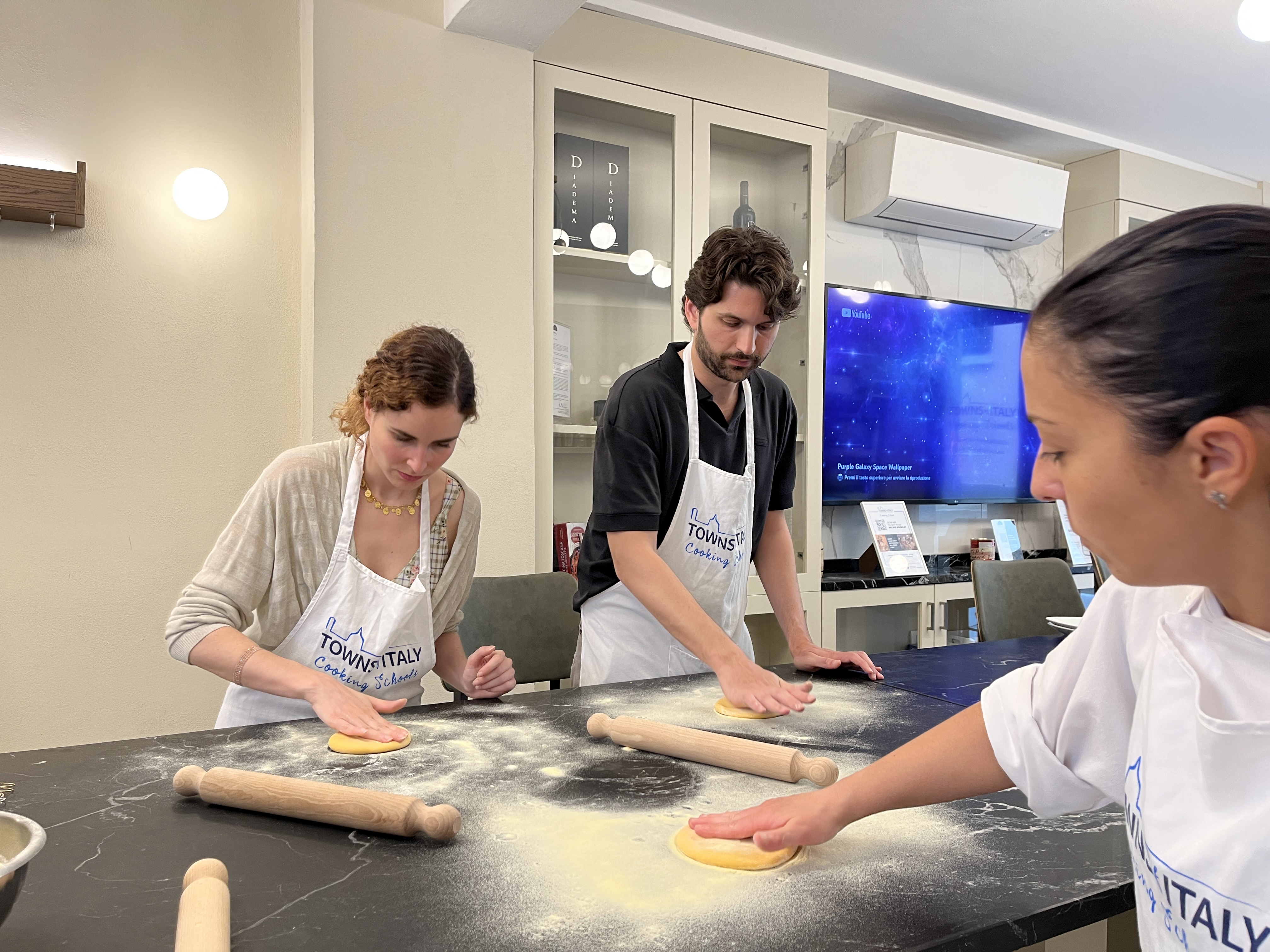
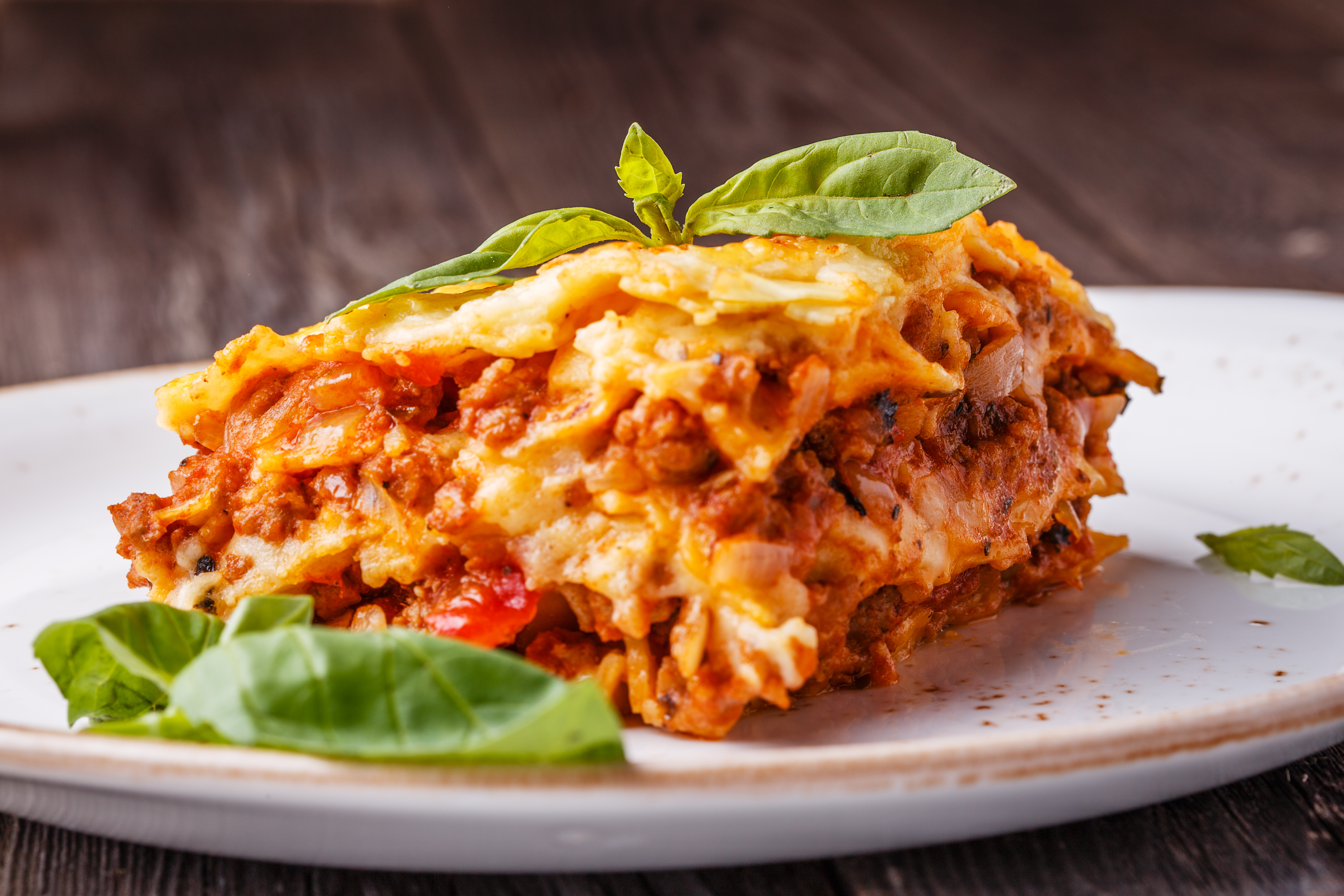

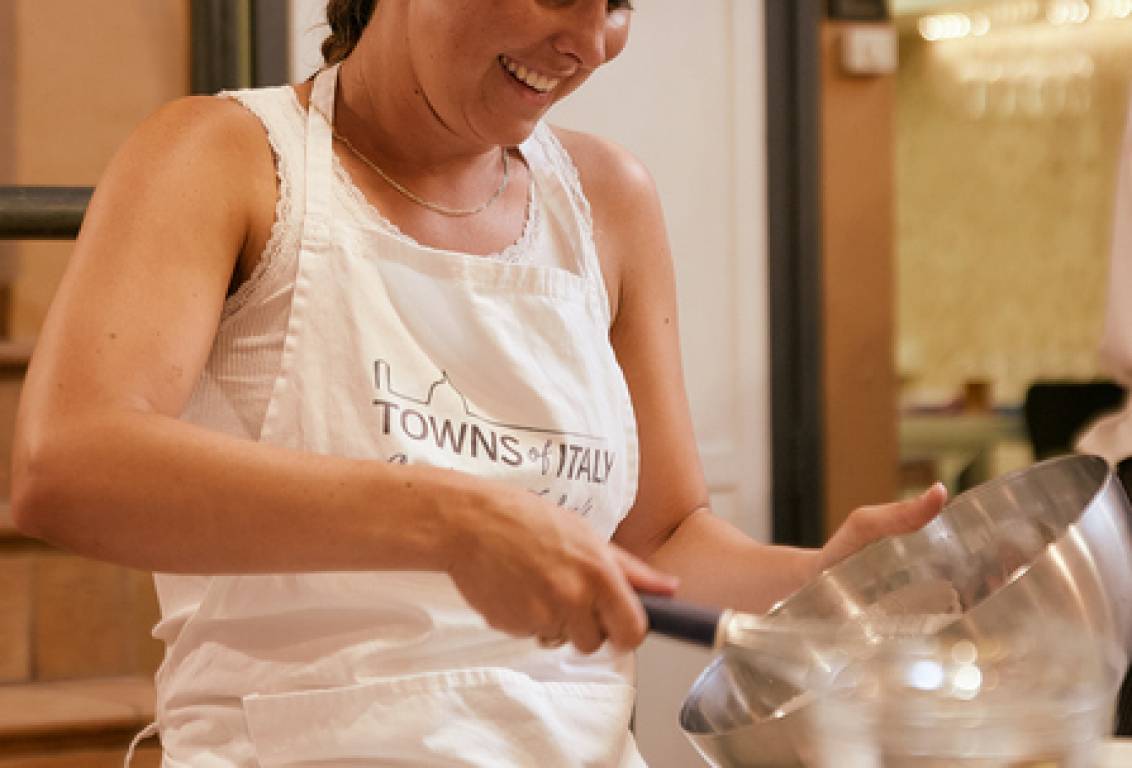
- Exclusive private class with dedicated chef and tailored guidance
- From Florence’s historic market to your own private dining table
- Learn to prepare authentic Nonna's homemade lasagna and traditional tiramisù
- Fully hands-on experience in a relaxed, intimate setting
- Discover the original Florence cooking school, now in a private format
Meeting Point
The meeting point is at our Cooking School in the heart of Florence:
Towns of Italy - Tourist Hub & Cooking School - Florence
Via Panicale, 43/R - 50123 Florence
If your tour is scheduled to take place on or after March 1, 2027, the new meeting point is:
Towns of Italy - Tourist Hub & Cooking School - Florence
Largo Pietro Annigoni, 9A - 50122 Florence
How do you make fresh pasta from scratch the Italian way?
Making fresh pasta from scratch is simpler than most people think and the result is incomparably better than any dried pasta. The Italian method uses just two ingredients: soft wheat flour (ideally Italian type '00', which is finely milled and low in gluten) and fresh eggs — typically one egg per 100 grams of flour. You mound the flour on a wooden board, make a well in the center, crack in the eggs, and gradually incorporate the flour with a fork before kneading by hand for 10 minutes until the dough is smooth and elastic. The dough rests for 30 minutes wrapped in cling film, then is rolled thin and cut into the desired shape. The key variables Italians adjust are: egg-to-flour ratio (more yolk = richer, more golden pasta), resting time, and rolling thickness. In the Florencetown Private Cooking Class, a professional Florentine chef guides you through every step, from dough to finished dish, in a hands-on, private session in a real Florentine kitchen.
What flour do Italians use for fresh pasta, and does it make a difference?
Yes, the flour makes an enormous difference to fresh Italian pasta. Most Italian home cooks and professional chefs use type '00' flour (doppio zero), a finely milled, low-gluten soft wheat flour that produces a smooth, silky dough and a tender, delicate texture once cooked. Some recipes, particularly from Emilia-Romagna (the home of tagliatelle and tortellini), mix '00' flour with fine semolina (semola rimacinata) to add a slight roughness that helps sauces cling to the pasta. For dried pasta and pasta from southern Italy, semola di grano duro (durum wheat semolina) is standard. In supermarkets outside Italy, bread flour is sometimes used as a substitute, but it produces a chewier, less refined result. The Private Florencetown Cooking Class uses proper Italian '00' flour and teaches you exactly why each ingredient matters.
What is the difference between tagliatelle, pappardelle, and fettuccine?
Tagliatelle, pappardelle, and fettuccine are all flat, ribbon-shaped fresh egg pasta, but they differ in width and regional origin. Tagliatelle originates from Emilia-Romagna and is approximately 6-8mm wide; it is the classic pairing for Bolognese ragu. Pappardelle is a Tuscan pasta: wider (typically 2-3cm), with a rough-cut edge, traditionally served with rich, slow-cooked meat sauces such as wild boar (cinghiale) or hare (lepre), a pairing at the heart of Tuscan cucina povera. Fettuccine is the Roman equivalent of tagliatelle, essentially the same shape but slightly wider and heavier, classically paired with butter and Parmesan (Alfredo) or meat sauces. In Tuscany, pappardelle al cinghiale is one of the most beloved and iconic dishes, and one of the recipes covered in the Florencetown Private Cooking Class.
What are the most famous traditional dishes of Tuscan cuisine?
Tuscan cuisine is one of Italy's most celebrated regional food traditions, rustic, ingredient-led, and rooted in the philosophy of cucina povera (the art of doing extraordinary things with simple, honest ingredients). The most iconic Tuscan dishes include: bistecca alla Fiorentina, a thick T-bone steak from Chianina cattle, grilled over charcoal and served rare; pappardelle al cinghiale, broad ribbon pasta with slow-cooked wild boar ragu; ribollita, a hearty soup of stale bread, cannellini beans, black kale, and root vegetables; panzanella, a summer salad of stale bread, tomatoes, basil, and red onion; lampredotto, the quintessential Florentine street food, a sandwich of braised tripe; and cantucci con Vin Santo, almond biscuits dipped in sweet Tuscan wine. The Florencetown Private Cooking Class is built around these authentic Tuscan flavors, with a menu that changes seasonally to reflect what is best at the market.
Is a private cooking class in Florence worth it compared to a group class?
Both formats offer a genuinely rewarding experience, the choice comes down to what kind of atmosphere you are looking for. A group cooking class is lively, social, and a great way to meet other travellers while learning together; the shared energy of a kitchen full of people working side by side is part of the fun. A private class offers something different: the chef's complete and undivided attention throughout the session, a more relaxed pace that adapts to your group rather than a fixed schedule, and the freedom to ask as many questions as you like without holding anyone up. It is a particularly natural fit for couples looking for an intimate shared experience, families who want to cook together at their own rhythm, or small groups of friends who prefer a more personal setting. . For anyone who loves food and wants to bring a piece of Florence back to their kitchen, it is one of the most meaningful things to do in Florence Italy.
Whcih is the cancellation policy of this tour?
For bookings from 1 to 8 people: 8 DAYS Cancellation policy. Full penalty applies for cancellations in the last 7 DAYS prior to tour departure and no-shows.
For bookings up to 9 people: availability and cancellation policy ON REQUEST.


Starting from
price per person
based on a group of 4